

Regional investors are increasingly viewing AI as a category currently caught in an overhyped bubble. This bubble, driven partly by massive Silicon Valley players, has created a visible gap between the amount of capital being poured in and the real value being created.
Overall CEE investor sentiment is that the AI honeymoon phase is nearing its end. What remains is a more mature, slightly “ruthless,” and highly focused investment landscape. Tomas Cironis, VP at Ilavska Vuillermoz Capital, captures this growing skepticism:
“I see a decline in AI investments as there will be only few winners and 99% of them will be from US. I believe there is a hype around AI in CEE. It is very difficult to build an AI winning startup in the CEE region, unfortunately.”
However, even though CEE didn’t join the race on foundational models, the focus has timely shifted toward niche, defensible applications. ElevenLabs being one of the most prominent examples.
So, what is CEE investor’s outlook for AI as we head into 2026?
The death of “AI-Wash”
The survey results make one thing clear: if your startup isn’t AI-native, you are in trouble. Investors are cooling significantly on traditional marketplaces and SaaS platforms that have simply bolted on an AI feature to keep up with trends. In the 2026 market, simply adding a chatbot to an existing product isn’t innovation.
Anything without clear defensibility — tools that are merely good to have rather than critical — is facing a funding drought. For a CEE startup to get noticed in 2026, it must solve a problem so deep that the client cannot function without it.
Efficiency over novelty
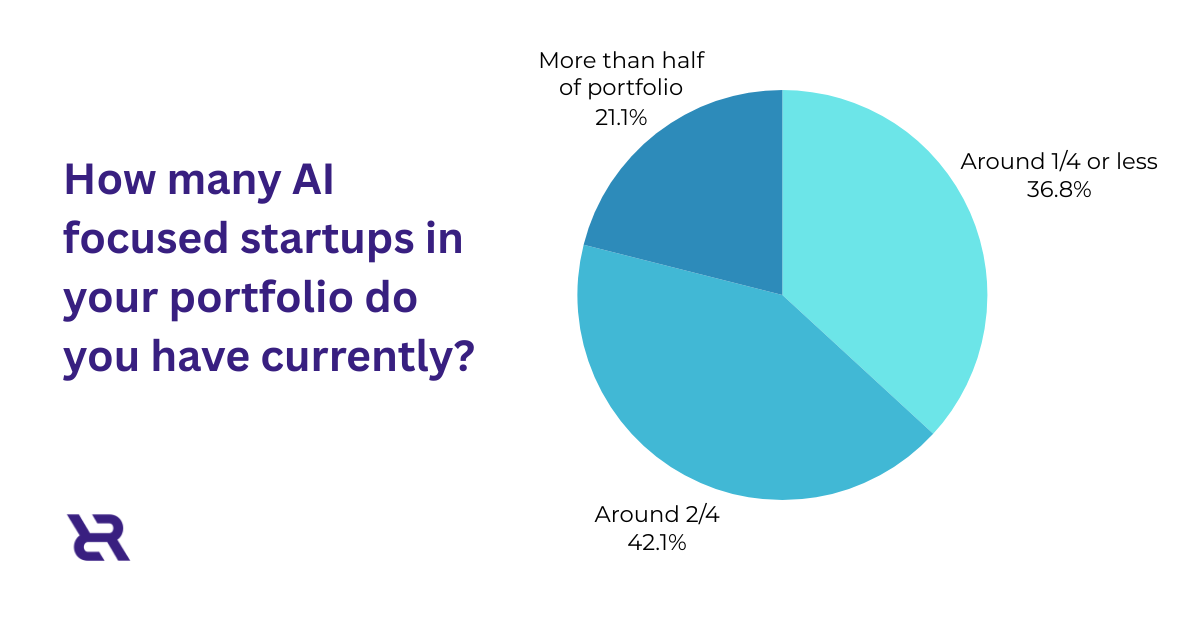
The CEE region has always excelled at doing more with less, and the current AI investment thesis reflect this DNA. Investors are looking past the flashy consumer apps and focusing on applied AI, tools that streamline industrial automation, logistics, and manufacturing.
As one survey contributor put it:
“The AI hype cycle is messy, but B2B AI startups that help businesses cut costs and improve efficiency are getting real traction.”
There is also a growing consensus that traditional Software-as-a-Service (SaaS) is under threat. CEE investors are now warning that “AI-native companies are killing off traditional software plays.” If a startup isn’t using AI to fundamentally change its cost structure or delivery speed, it’s being left behind in the 2025 funding rounds.
Sector focus
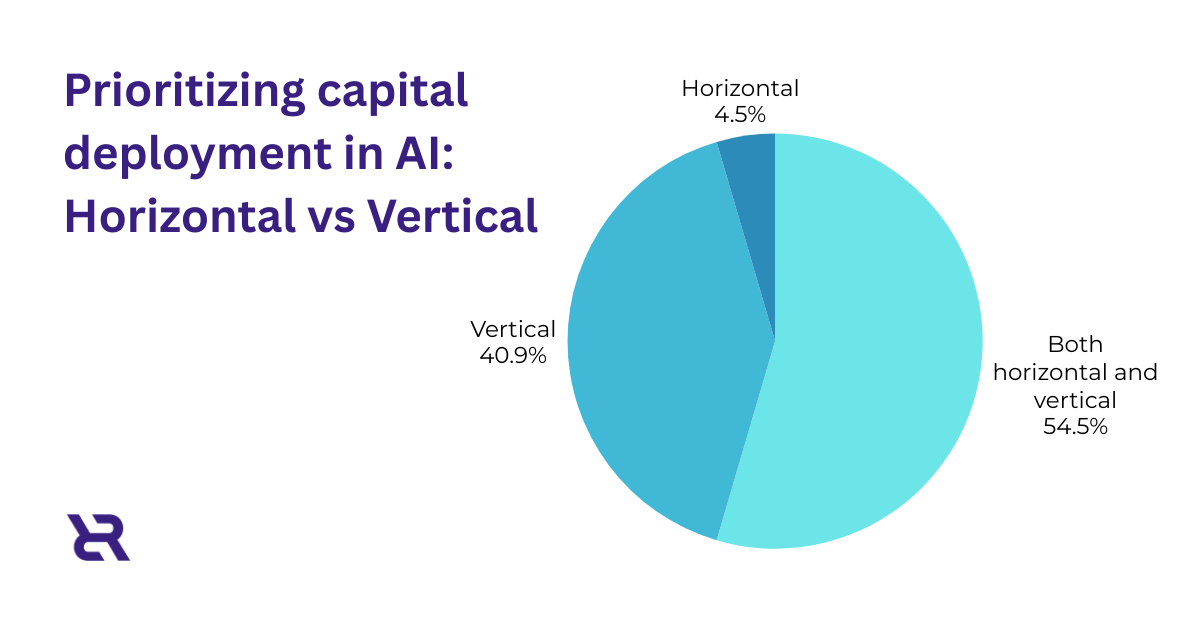
While the bubble talk is real, capital is still flowing into specific AI applications. The priority is slowly moving from horizontal AI (tools that do a bit of everything) to vertical AI (tools that do one thing perfectly for a specific industry).
- Deep Tech: This is a standout priority for 2026. Investors see a massive opportunity in combining AI with physical hardware and automation. CEE has a strong history in industrial engineering, and VCs are betting on startups that use AI to make manufacturing and logistics smarter.
- Energy: AI is being prioritized here for its resilience and efficiency. Whether it’s optimizing power grids or managing carbon footprints, AI is viewed as a necessary layer for the green transition.
- Cybersecurity: In a world of AI-generated threats, AI-driven security is mandatory.
As Andrew Gray, General Partner of Tilia Impact Ventures explains: “There are some industries where AI is not just bringing operating efficiencies but actually enabling problems to be solved that were previously unsolvable. For example, providing the experience of a private tutor for the price of a SaaS, material/drug discovery and shortening R&D cycles in complex environments. There are also new problems being created by AI that need to be solved through innovation, such as safety/security, truth, labour mobility etc.”
The new investment checklist
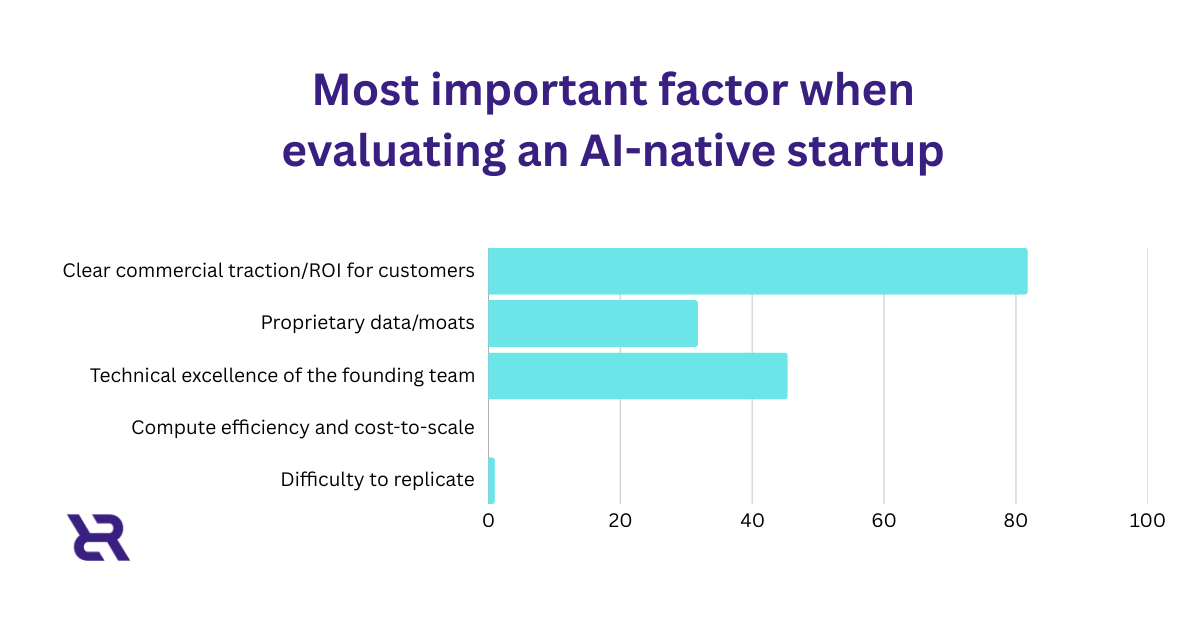
When evaluating an AI-native startup today, CEE investors have a very specific set of demands. The days of funding a cool demo with AI slapped on are gone. According to the survey, the two most important factors for investment now are:
- Clear commercial traction/ROI for customers: Can you prove this saves money or makes money right now?
- Technical excellence of the founding team: Does the team actually understand the math, or are they just wrapping an API?
As one investor noted, the market is moving from “GenAI experimentation to long-term utility.” This means capital is being prioritized for startups that can show a clear path to being EBITDA positive or at least highly capital-efficient.