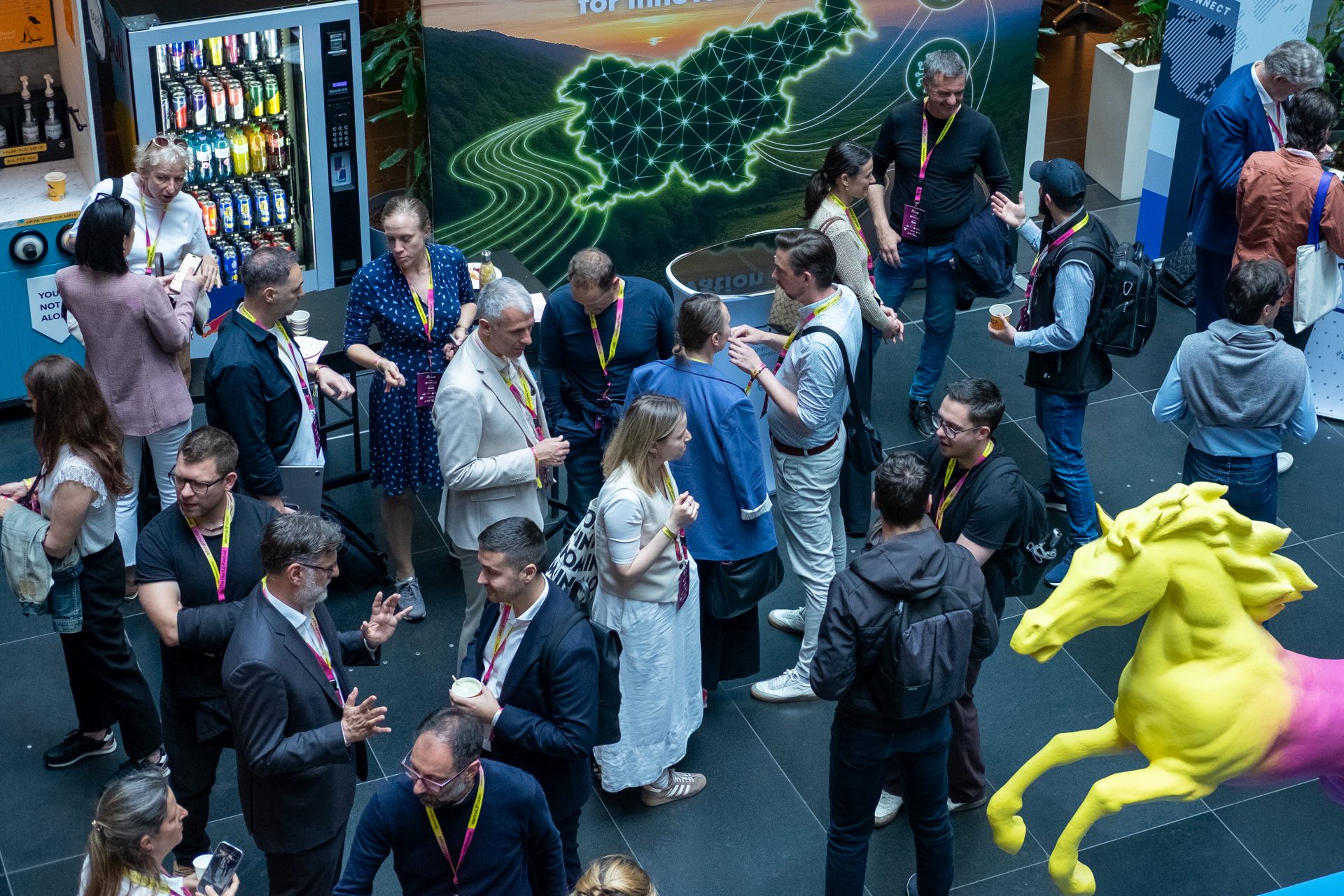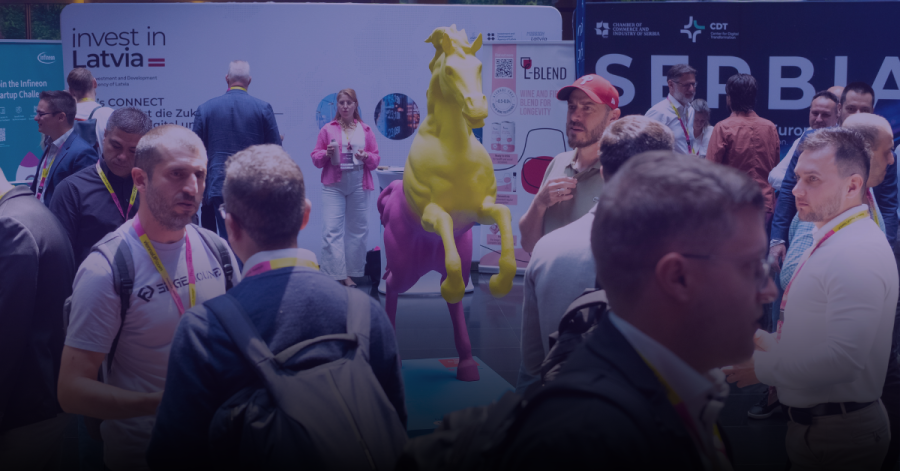


The Recursive CEE Forum 2026 returned to ViennaUP with a clear thesis: CEE doesn’t need more talk about potential — it needs more cross-border execution. Building on last year’s strong first edition, the 2026 Forum had even more hands-on conversations, targeted introductions, and topics spanning scaling, market expansion, tech transfer, corporate & startup collaborations, the future of investing, and practical implementation in energy and AI.
In partneship with weXelerate in Vienna, the day brought founders, investors, corporates, and ecosystem leaders to compare notes on what’s working across the region — and what still needs rebuilding, from go-to-market fundamentals to the bridge between research and venture outcomes.
Setting the tone
The day opened with remarks from the organizers and host partners, framing the Forum as a platform for collaboration across ecosystems, not a one-off conference moment. Teodor Antonio Georgiev (CEO, The Recursive) opened alongside Awi Lifshitz (CEO, weXelerate) and Christian Frey (Director of International Business, Vienna Business Agency).
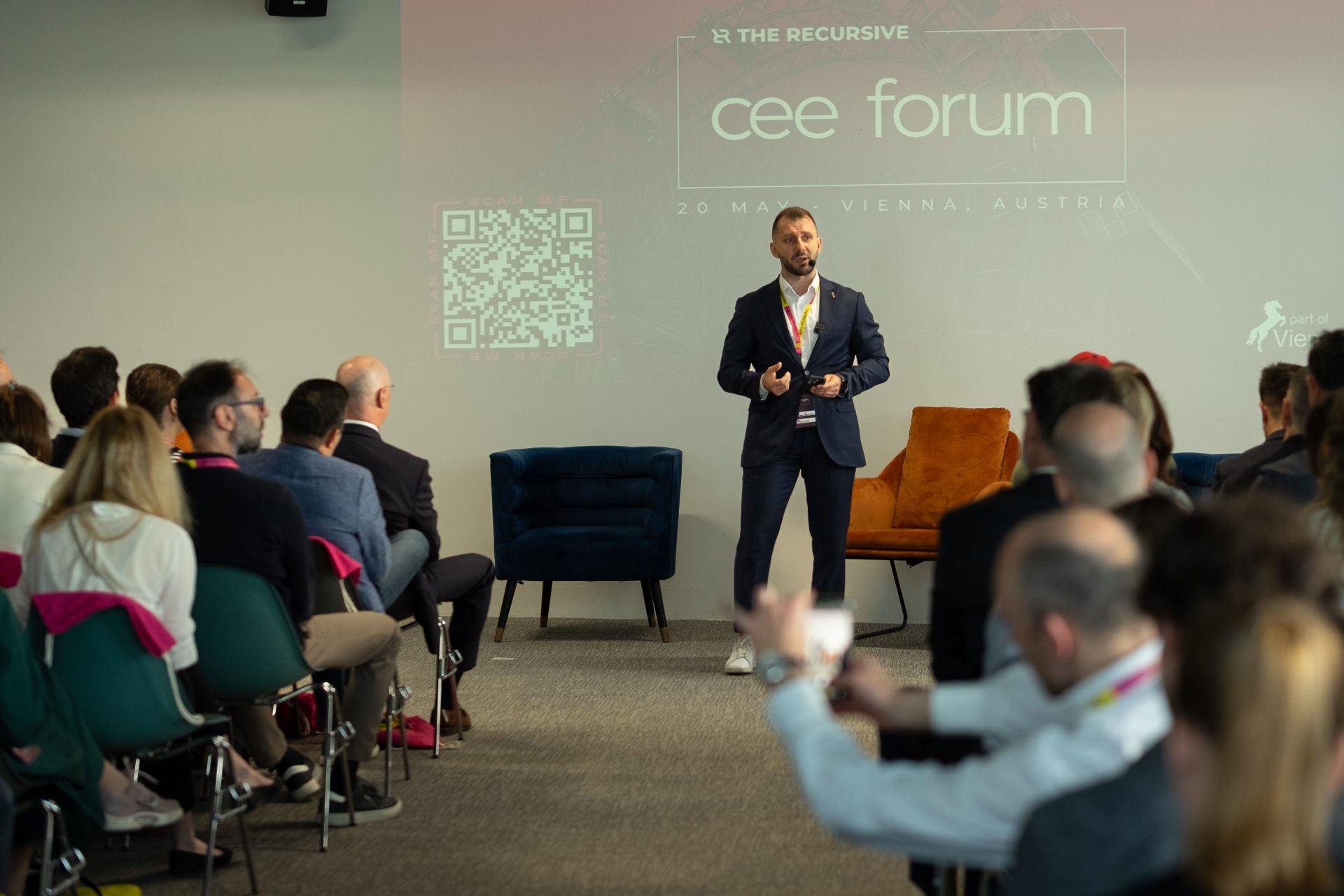
Then came a “Regional Spotlight” designed to quickly surface what each delegation is building — and what it needs next. Speakers included Vladimir Milovanović (SPIRIT Slovenia), Nebojša Bjelotomić (Digital Serbia Initiative), Michal Veselý (JIC Brno), Robert Somogyi (Hungarian Innovation Agency/NIU), Inga Ulmane (LIAA), and Viktor Goussev (Sofia Investment Agency).
Keynotes: scaling, energy execution, and “physical AI”
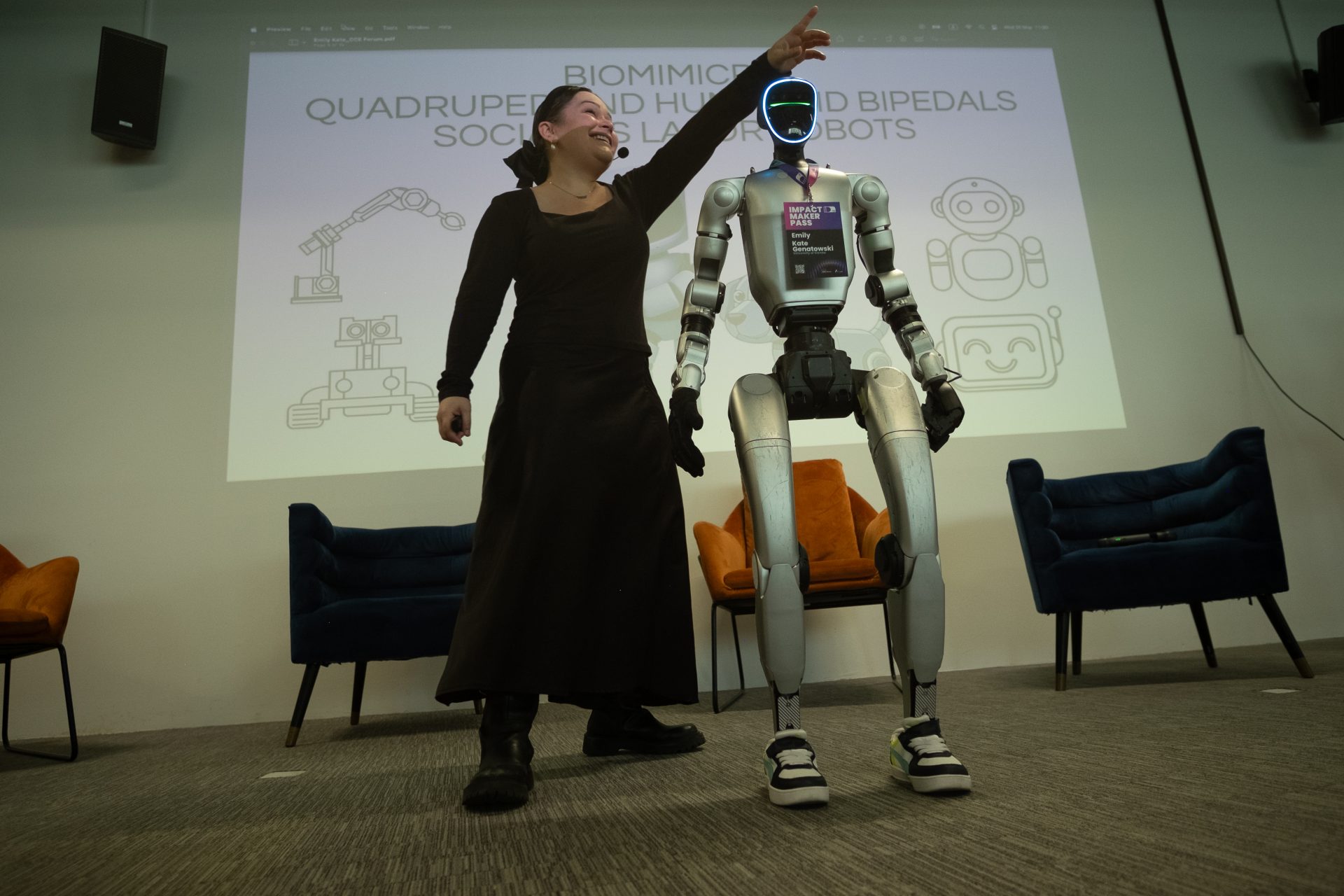
A keynote on Physical AI under EU Regulation by Emily K. Genatowski (AI Researcher & Digital Culture Expert, University of Vienna) brought the audience into the practical reality of Europe’s regulatory and societal context for AI — especially as systems move from software into embodied, real-world environments.
In The Logic of Scaling, Gerd Bommer (Founder-First Investor & Startup Advisor) offered a systems-first view of growth: the moment when founders must evolve from instinct-led speed into repeatable architecture — building the “engine” rather than being it.
On the energy track, Daniel Schaub Menares and Rahul Mishra (Co-Founders, The Energy Bridge) delivered an overview of energy innovation across CEE, teeing up the later conversation about what it takes to scale in a sector where deployment complexity is the real bottleneck. In the panel following the keynote Jelisaveta Pavlovic (Senior Energy Expert, OMV), Nikolaj Candellari (Head of Market Intelligence, Cybergrid), and Zoltan Papp (Founder & CEO, EV.analytica), moderated by Rahul Mishra (Co-Founder, The Energy Bridge) concluded that the next edge for the region will come from system integration and collaboration, not just isolated breakthroughs.
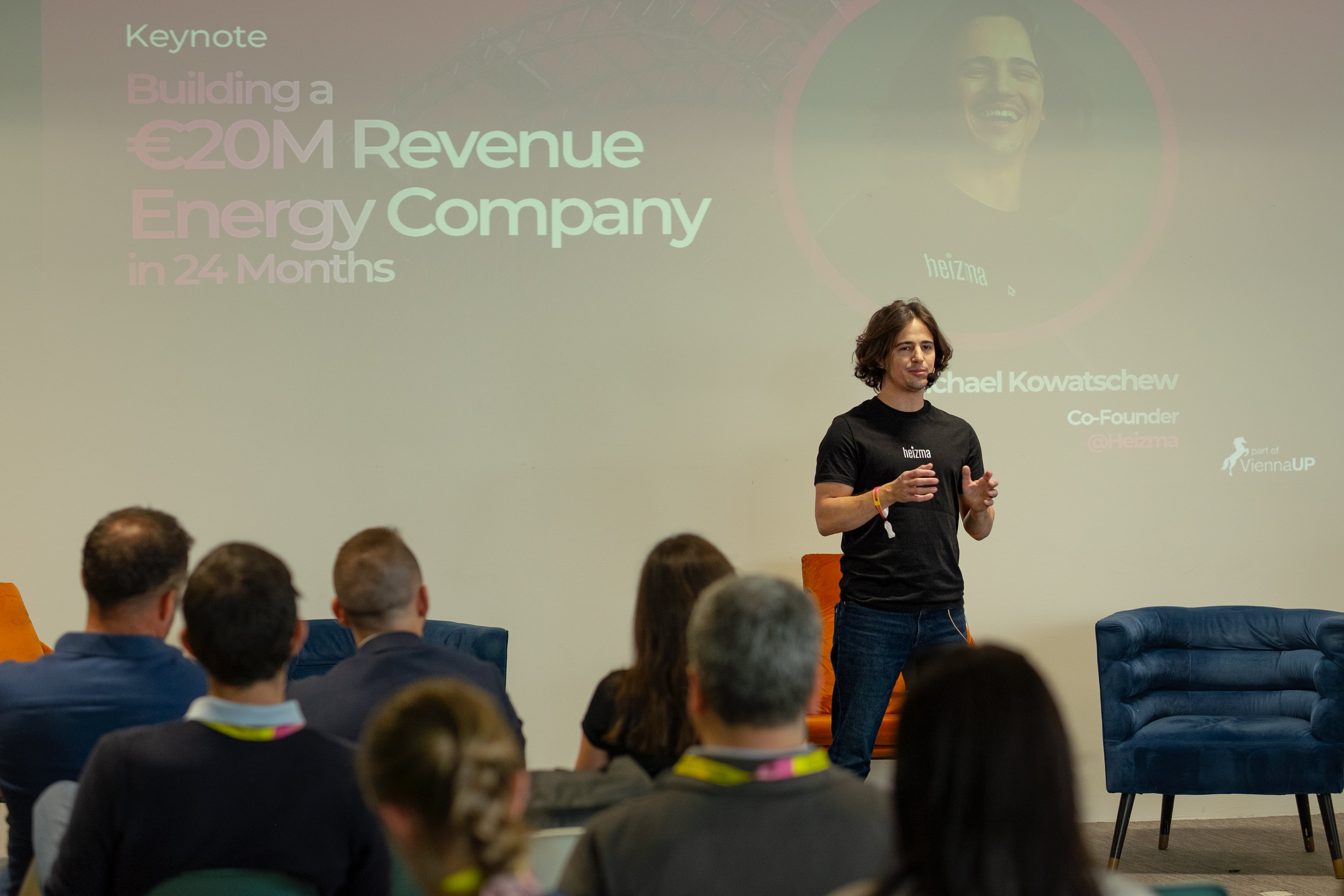
And in one of the most execution-forward stories of the day, Michael “Misha” Kowatschew (Founder, Heizma) shared lessons from building a €20M-revenue energy company in 24 months — an example of how operational excellence, not just product vision, becomes the differentiator in climate and energy markets.
Panels: fewer myths, more mechanisms
In the panel “Sharing Tech Transfer Know-How” we tackled the often-romanticized idea that a patent plus a PhD automatically equals a venture-scale company — especially in CEE, where tech transfer frequently fails at the translation layer between research, commercialization, and capital. Panelists were David Photien (Founding Partner, SCE Freiraum Ventures) and Nina Meglič (Project Coordinator, ReCatalyst), moderated by Teodora Atanasova (Senior Editor, The Recursive).
A key takeaway from the discussion was the need to think beyond national ecosystems and adopt a more pan-European approach to tech transfer, investment, and startup scaling. As David Photien noted, investors and venture builders are increasingly exploring cross-border opportunities. Nina Meglič shared insights into how deep tech commercialization is evolving in Slovenia. She discussed how limited market size and slower-moving structures can create obstacles, but also foster tighter collaboration between researchers, startups, and public institutions.
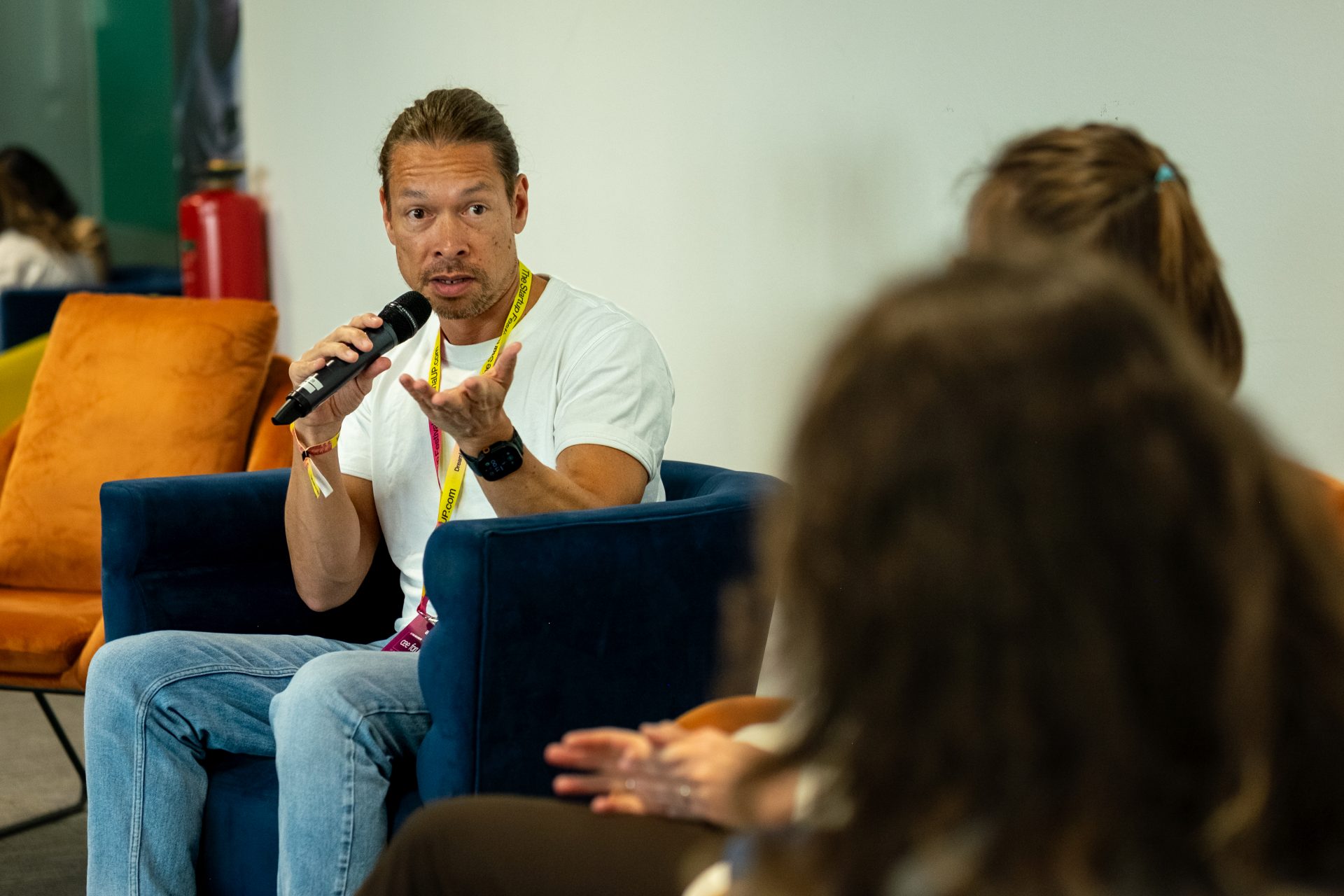
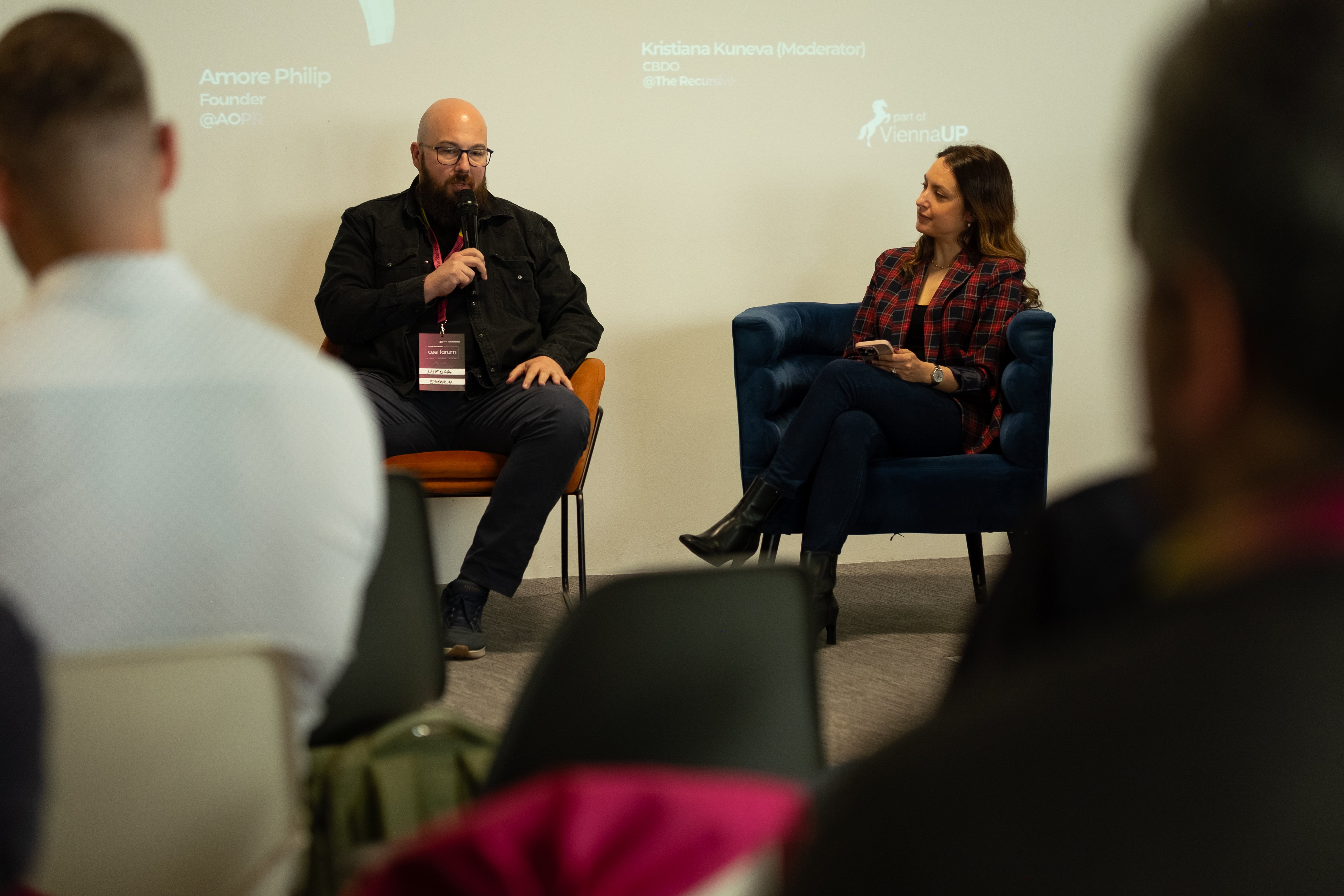
In the panel “What We Miss About Good GTM Strategies” we had a direct reality check on go-to-market: the fundamentals founders postpone until the runway shortens. Panelists included Nikola Kožuljević (Founder & CEO, SYMAR), Tsvetoslava Kapatsinova (Founder, GrowDACH), and Amore Philip (Founder, AOPR), moderated by Kristiana Kuneva (Chief Business Development Officer, The Recursive).
What we are missing? A go-getter mindset and impactful storytelling are key to scale successfully. The panelists discussed why CEE founders need to become more adaptive, take bigger risks, and build greater confidence when entering international markets. A major theme throughout the conversation was that strong storytelling is at the core of every successful GTM strategy. Founders must clearly communicate what they build and why it matters, but in a way that their story resonates with the audience they tend to target . From public relations and market positioning to understanding new audiences, the panel emphasized that the ability to tell your very own story in a compelling way is often what unlocks global growth opportunities.
Realities of AI implementation and corporate-startup collaborations
In the panel “The Reality of AI Implementation”, the conversation was deliberately positioned away from hype: what happens when AI meets messy data, real customers, and budget constraints. Panelists were Christian Tauber (Co-Founder & CEO, NEOALP), Kevin Cobaj (Co-Founder & CTO, Synaps), and Gašpar Nagy (Founder & CEO, Techmates.io), moderated by Ana Marija Kostanić (Editor-in-Chief, The Recursive).
While many early-stage founders prioritize rapid deployment and become wedded to untested solutions, Kevin’s experience with Synaps offered a reality check: the team discarded seven different versions before settling on their final product. Complementing this, Christian Tauber explored the risks and rewards of building in uncharted territory where your job is also on educating clients, while Gašpar provided a roadmap for navigating complex legacy-code transformations.
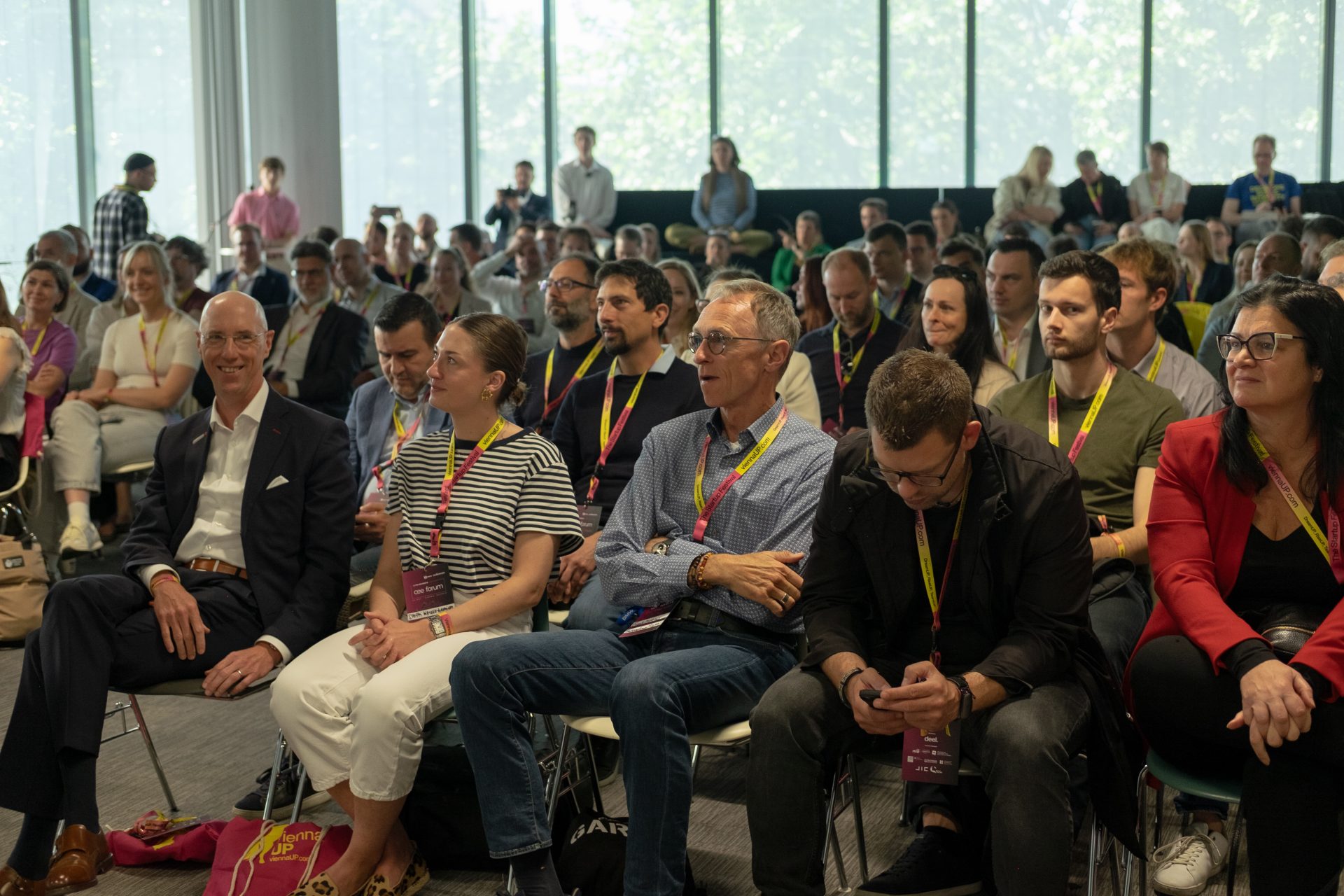
A pivotal part of the conversation focused on a classic architectural trade-off: Should a company build for perfection or for immediate utility, knowing the tech will evolve in six months? The panelists reached a clear consensus: tech updates are inevitable for any digital product that wants to stay relevant. Success lies in choosing adequate foundational stack from day one, and most importantly, designing an architecture modular enough to integrate new iterations without compromising the core product framework.
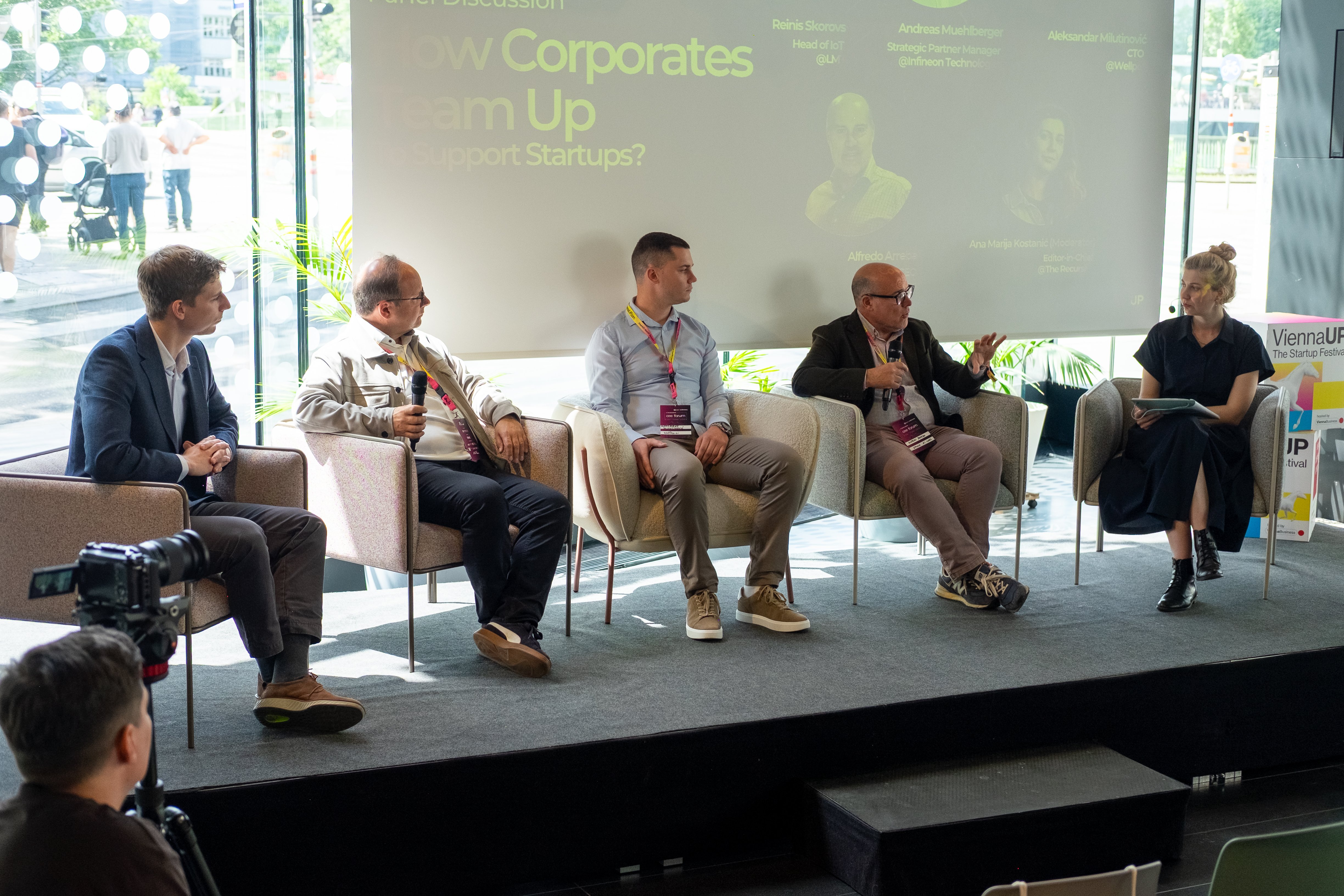
We also took an applied look at corporate–startup collaboration beyond theory, featuring Reinis Skorovs (Head of IoT, LMT), Andreas Muehlberger (Strategic Partner Manager, Infineon Technologies), Aleksandar Milutinović (CTO, Wellpet), and Alfredo Arreba (Co-Founder & CEO, Epona AI Labs). Wellpet and Epona AI Labs shared more about how they moved from a Proof of Concept (POC) to a real-world pilot integrating solutions from Infineon and LMT, which saved them months of development. While Infineon and LMT shared more about their new mentorship program designed to help startups and product companies accelerate the development of IoT devices that combine edge AI with low-power cellular connectivity — and what are they looking in startups that want to join.
Set for the future
With AI shifting the ground under entire categories, the panel “Investing for the Future” brought three VCs into a practical debate on resilience, specialization, and how to “future-proof” portfolios. Panelists were Nina Dremelj (Managing Partner, Vesna Deep-Tech Fund), Radim Kocourek (Managing Partner, JIC Ventures), and Annu Gmeiner (Venture Partner, Xista Ventures), moderated by Fergus O’Sullivan (Editor, Startup Kitchen).
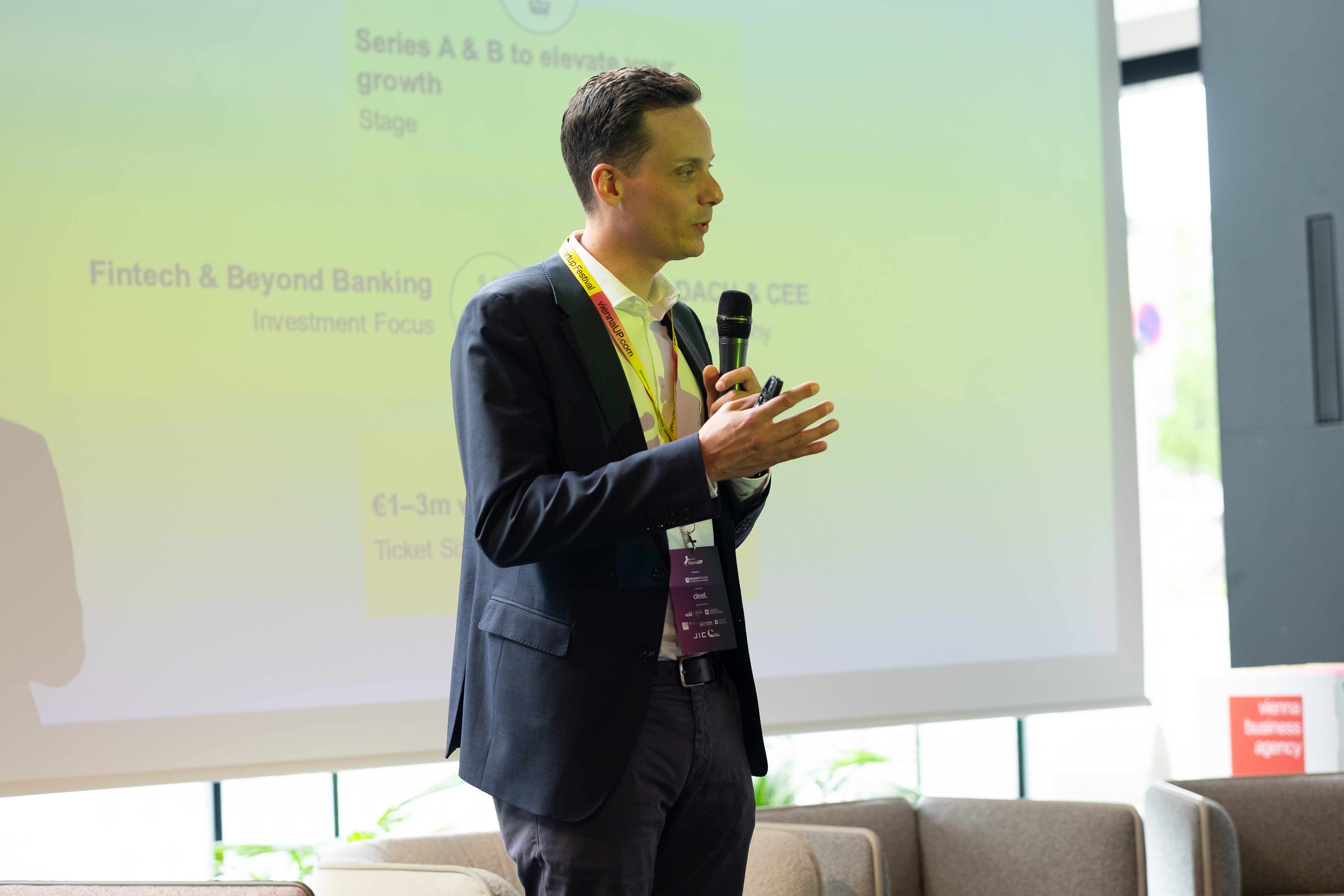
Maximilian Schausberger’s keynote added a corporate-VC lens to the day, grounding the “future of investing” conversation in how banks and large incumbents actually engage with high-growth tech. As Managing Director of Elevator Ventures (the CVC backed by Raiffeisen Bank International and its Austrian entities), Schausberger was drawing know-how from his experience working with and sitting on boards across multiple portfolio companies. He emphasized that the most durable outcomes come when venture returns and strategic outcomes are designed together — and when corporates build internal teams capable of supporting founders through procurement, pilots, and market access (not just investment).
Looking a decade ahead, the now staple ecosystem panel of the Forum zoomed out to ecosystem design: how should we manage talent, policy agility, cross-border investments, and regional competitiveness. Panelists included Marija Janjušević (Director, Digital Serbia Initiative), Viktor Goussev (Head Investment & BD, Sofia Investment Agency), and Inga Ulmane (LIAA), moderated by Teodor Antonio Georgiev (CEO, The Recursive).
Wrapping the day with masterclasses & pitches
Beyond the main stages, the Forum also ran hands-on sessions aimed at operator-level takeaways.
- Masterclass: Business Location Austria and Vienna – Your Gateway to DACH and beyond! featured Christian Frey (Vienna Business Agency) and Birgit Reiter-Braunwieser (Austrian Business Agency) on location factors, GTM considerations, and scaling support instruments for companies expanding into Austria.
- Masterclass: How to Spot Emerging Trends Early with Uros Rakic focused on weak-signal detection and foresight workflows — turning early indicators (patents, niche communities, research) into a repeatable trend-radar process.
- Workshop: Rethinking Digital Identification in the Age of AI with Plamen Nakov (Founder & General Manager, aIDentix) explored modern identity system vulnerabilities (deepfakes, synthetic identities, wallet compromise) and what secure, modular identity orchestration could look like under eIDAS 2.0 and EU Digital Identity Wallet direction.
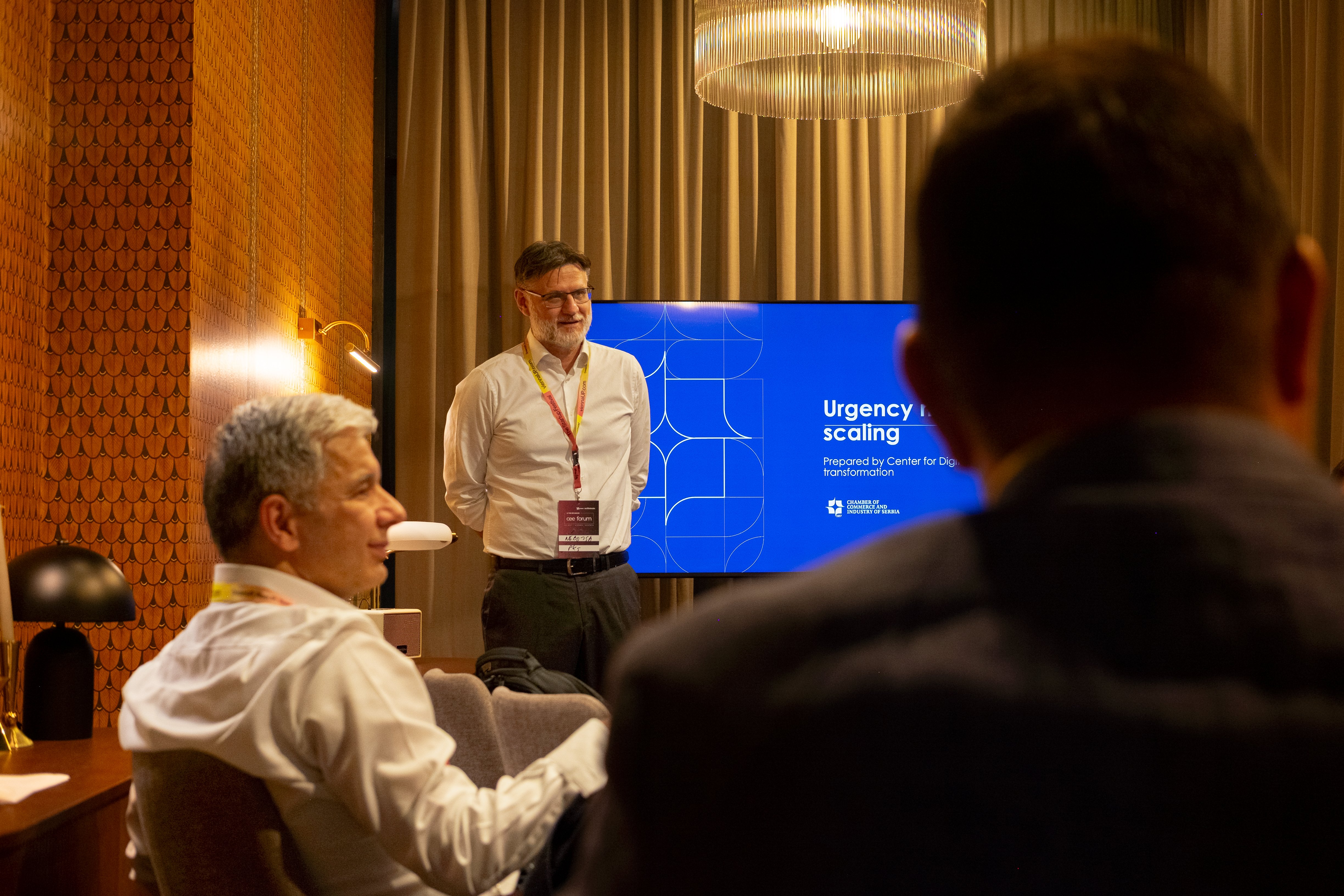
- Serbia’s Center for Digital Transformation representatives also had a presentation about the urgency of scaling Serbia’s startup ecosystem. It covered the country’s innovation infrastructure, founder profiles and key challenges (particularly around financing and talent), available funding programs across different startup growth stages, and Serbia’s active push for internationalization.
The day’s networking logic culminated in Pitch & Match, introducing 13 startups across multiple sectors and countries (Bulgaria, Croatia, Czech Republic, Hungary, Latvia, Serbia, Slovenia), reinforcing the Forum’s core aim: make cross-border discovery easier, faster, and more intentional.
What made the Recursive CEE Forum 2026 feel different was the insistence on mechanisms over mythology. Whether the topic was scaling, AI implementation, corporate collaboration, or energy deployment, the recurring message was consistent: CEE’s opportunity is real, but the next decade belongs to ecosystems that operationalize collaboration — across borders, across institutions, and across capital stacks.
If you want to check full gallery from The Recursive CEE Forum, visit this link.